
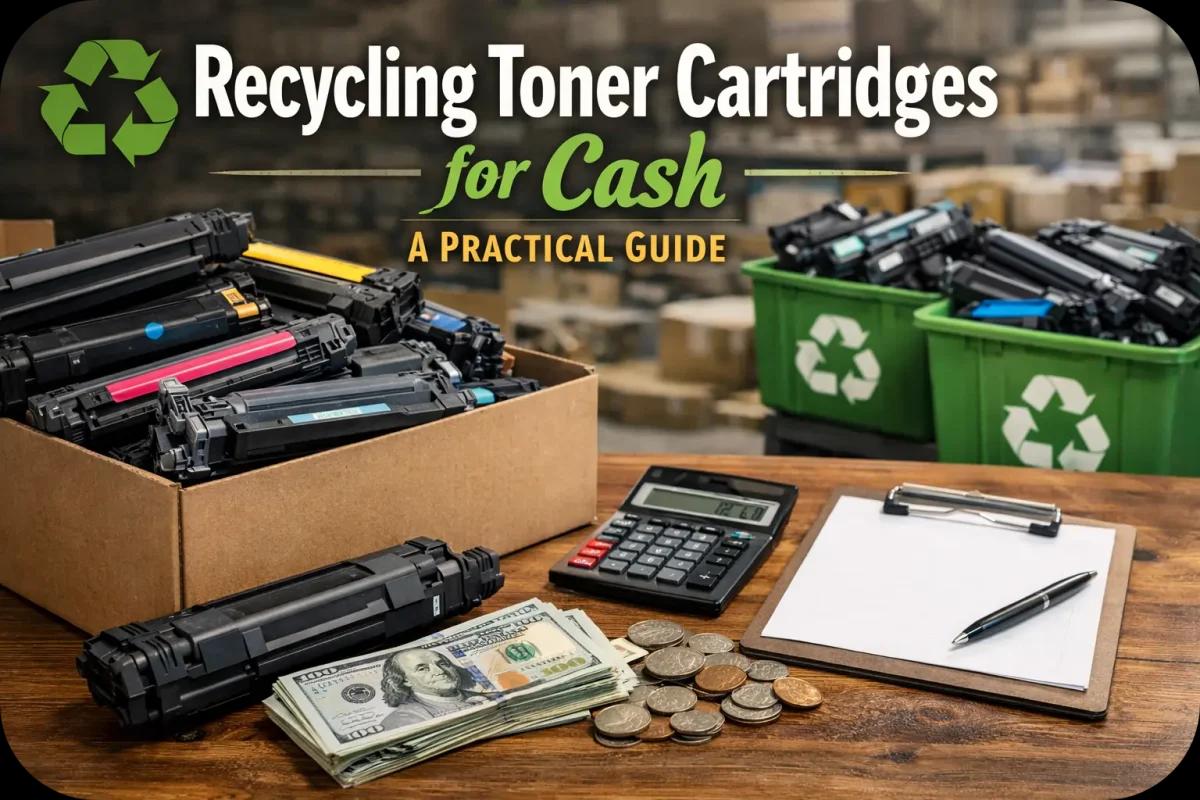
Recycling Toner Cartridges for Cash: A Practical Guide
Toner cartridges are a routine part of office printing, but many organizations do not realize that unused or surplus cartridges can still hold value. Instead of throwing them away or letting them sit unused in storage rooms, businesses can recycle toner cartridges for cash while also supporting environmental responsibility.
This practical guide explains how toner recycling works, how to turn unused cartridges into money, and how businesses can manage toner inventory more efficiently.
Why Recycling Toner Cartridges Matters?
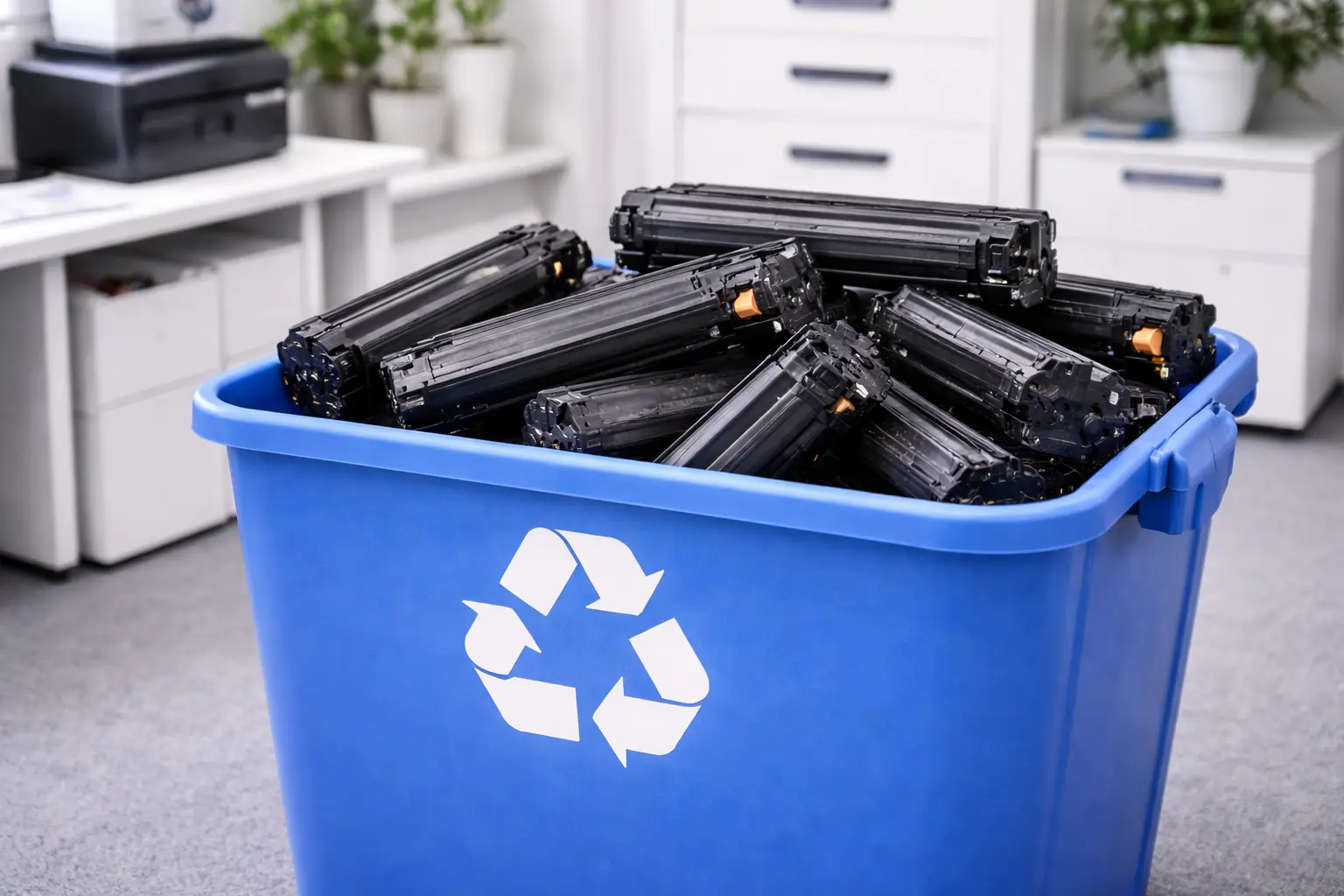
Every year, millions of toner cartridges are discarded. Because these cartridges are made from durable plastics, metals, and other materials, they can take many years to break down in landfills.
Recycling toner cartridges helps:
- Reduce landfill waste
- Recover reusable materials
- Lower environmental impact
- Support sustainable office practices
According to the U.S. Environmental Protection Agency (EPA), recycling electronic supplies and printer components helps conserve natural resources and reduce pollution.
Businesses that recycle or resell toner cartridges can contribute to environmental sustainability while also recovering financial value.
Understanding the Value of Unused Toner Cartridges
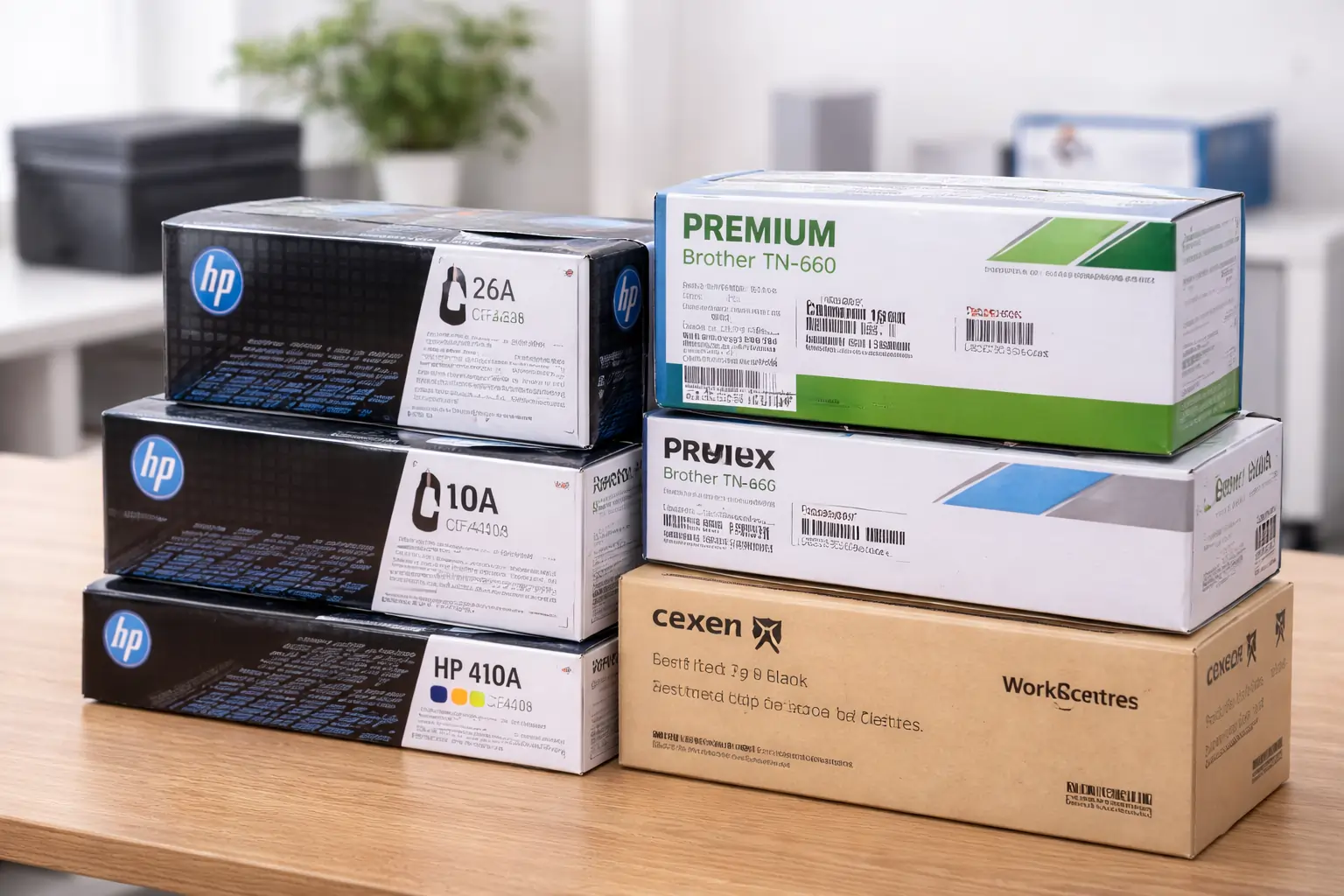
Many offices accumulate extra toner when printers are upgraded or when supplies are ordered in bulk. In these situations, factory-sealed toner cartridges often remain unused.
These cartridges can still have resale value if they are:
- Factory sealed
- In good packaging condition
- Within a reasonable manufacturing date
Common brands with resale demand include:
- HP
- Brother
- Canon
- Xerox
- Ricoh
- Lexmark
Businesses can often sell these cartridges through toner buyback platforms such as TonerConnect, which specialize in purchasing surplus toner inventory.
Step-by-Step Practical Guide to Recycling Toner for Cash
Recycling toner cartridges for cash is a simple process when handled properly.
Step 1: Identify Surplus Inventory
Start by checking storage areas such as:
- Office supply rooms
- IT storage closets
- Warehouse shelves
Look for toner cartridges that are unused or still sealed.
Step 2: Organize Cartridge Information
Create an inventory list that includes:
- Brand name
- Cartridge model number
- Quantity
- Condition of packaging
Organizing this information helps buyers evaluate your toner inventory quickly.
Step 3: Request a Quote from a Buyback Company
Once your inventory list is ready, submit it to a toner buyback service.
Buyers typically review:
- Cartridge model demand
- Quantity available
- Packaging condition
- Manufacturing dates
Platforms such as TonerConnect help businesses receive quotes for surplus toner cartridges.
Step 4: Package and Ship the Cartridges
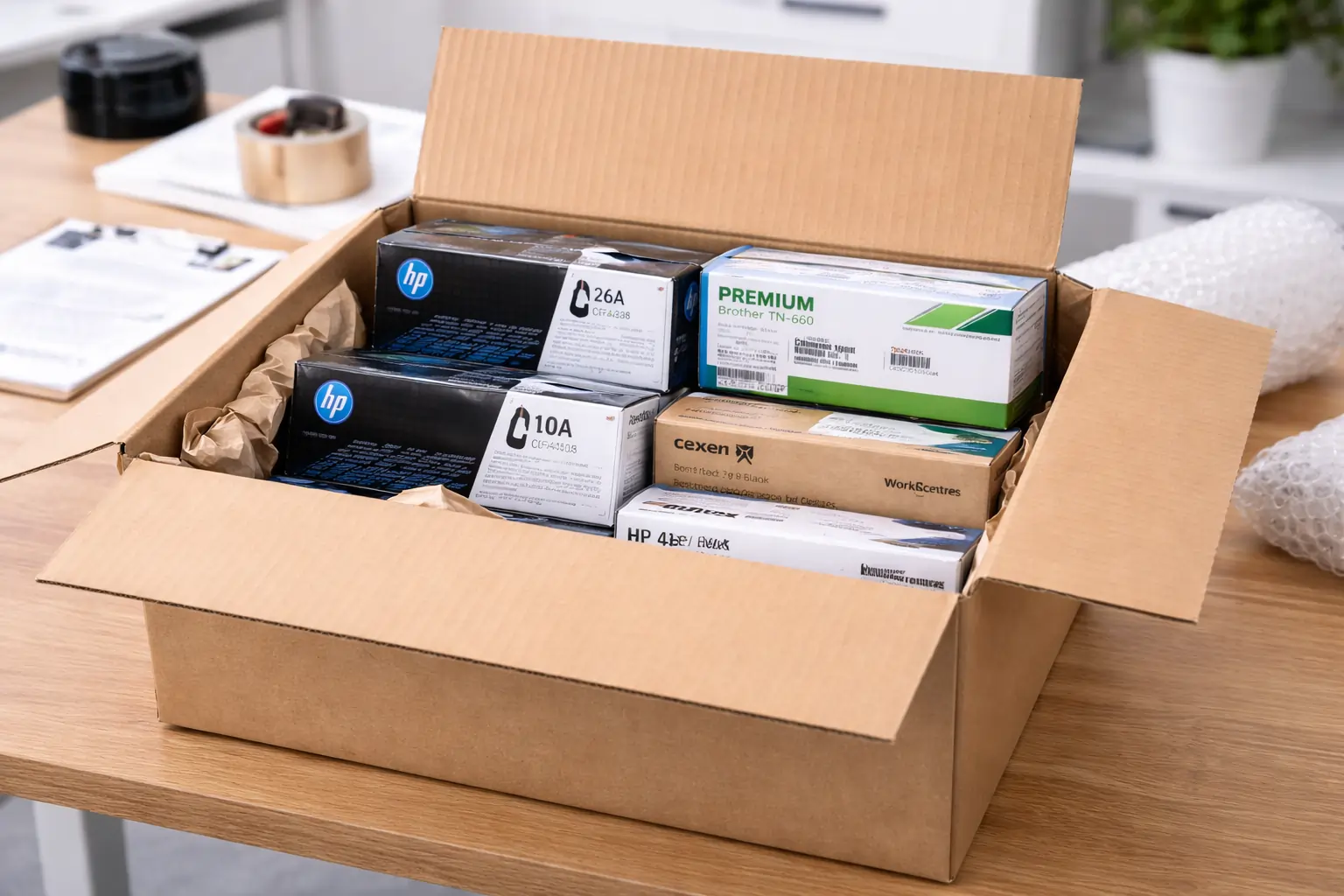
If you accept a buyback offer, the next step is shipping the cartridges.
Tips for safe shipping include:
- Use protective packing materials
- Avoid crushing the toner boxes
- Pack cartridges securely in sturdy boxes
Proper packaging helps ensure the cartridges arrive in good condition.
Step 5: Receive Payment
Once the buyer receives and verifies the cartridges, payment is typically processed according to the agreed terms.
This process allows businesses to convert unused toner inventory into recovered funds.
Additional Benefits of Toner Recycling
Recycling toner cartridges provides several advantages beyond financial recovery.
Environmental Sustainability
Recycling keeps cartridges out of landfills and allows valuable materials to be reused.
Better Inventory Management
Selling surplus toner helps organizations keep supply inventories organized.
Reduced Storage Clutter
Removing unused cartridges frees up office storage space.
Improved Supply Purchasing
Regular inventory reviews help prevent over-ordering in the future.
Tips to Maximize the Value of Your Toner Cartridges
To ensure the best resale value, businesses should:
- Keep cartridges factory sealed
- Store toner in cool, dry environments
- Avoid writing on the packaging
- Sell surplus cartridges before they approach expiration
These simple practices help maintain the quality and resale potential of toner cartridges.
Final Thoughts
Recycling toner cartridges for cash is a practical solution for businesses that want to reduce waste and recover part of their office supply investment. By identifying surplus inventory, organizing cartridge information, and working with reputable buyback services, organizations can turn unused toner into financial value.
At the same time, recycling toner cartridges helps support sustainable practices and responsible resource management. With proper planning and inventory control, businesses can transform unused printer supplies into both environmental and financial benefits.