
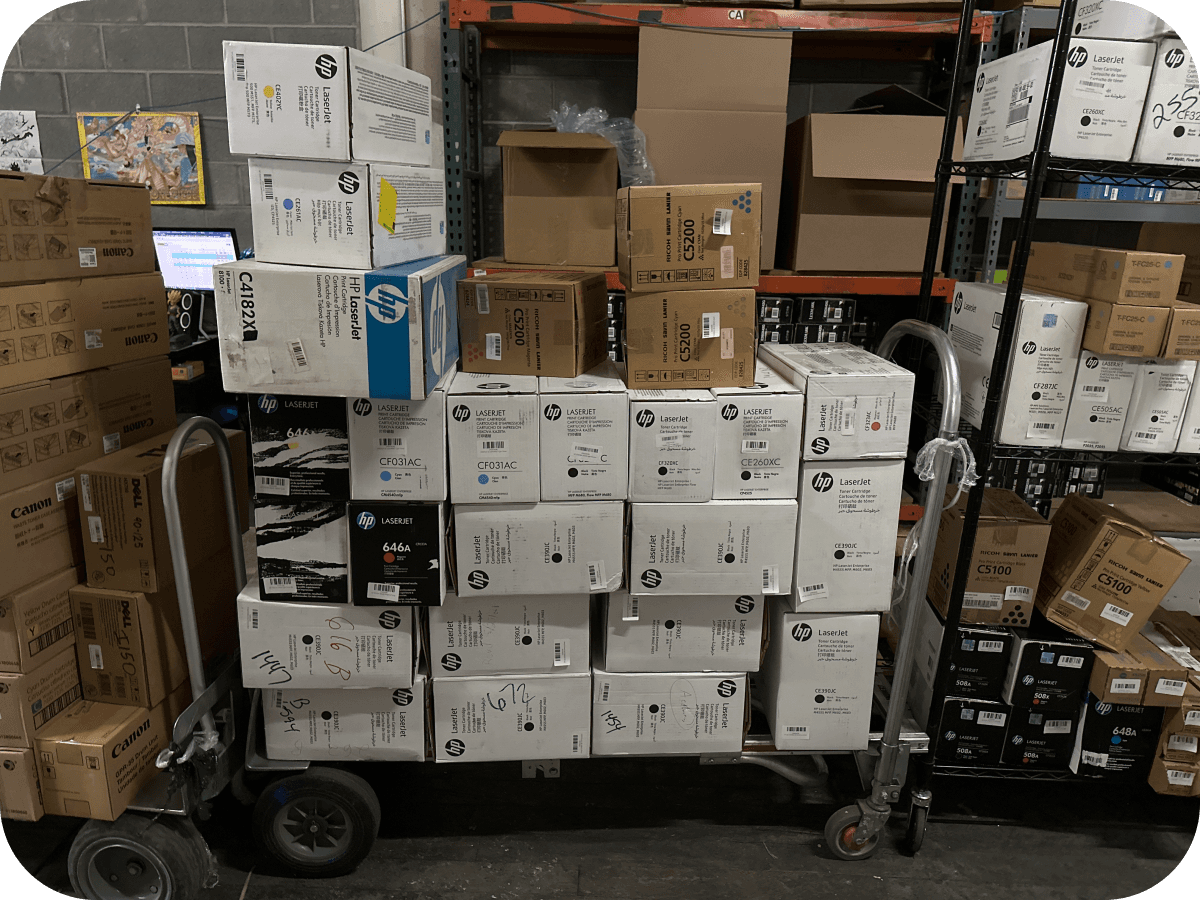
The best toner cartridge suppliers for businesses include manufacturer stores such as HP and Brother, business retailers such as Staples Business and Office Depot Business, and technology procurement companies such as CDW and SHI. The right choice depends on printer brands, order volume, delivery needs, account controls, and service requirements.
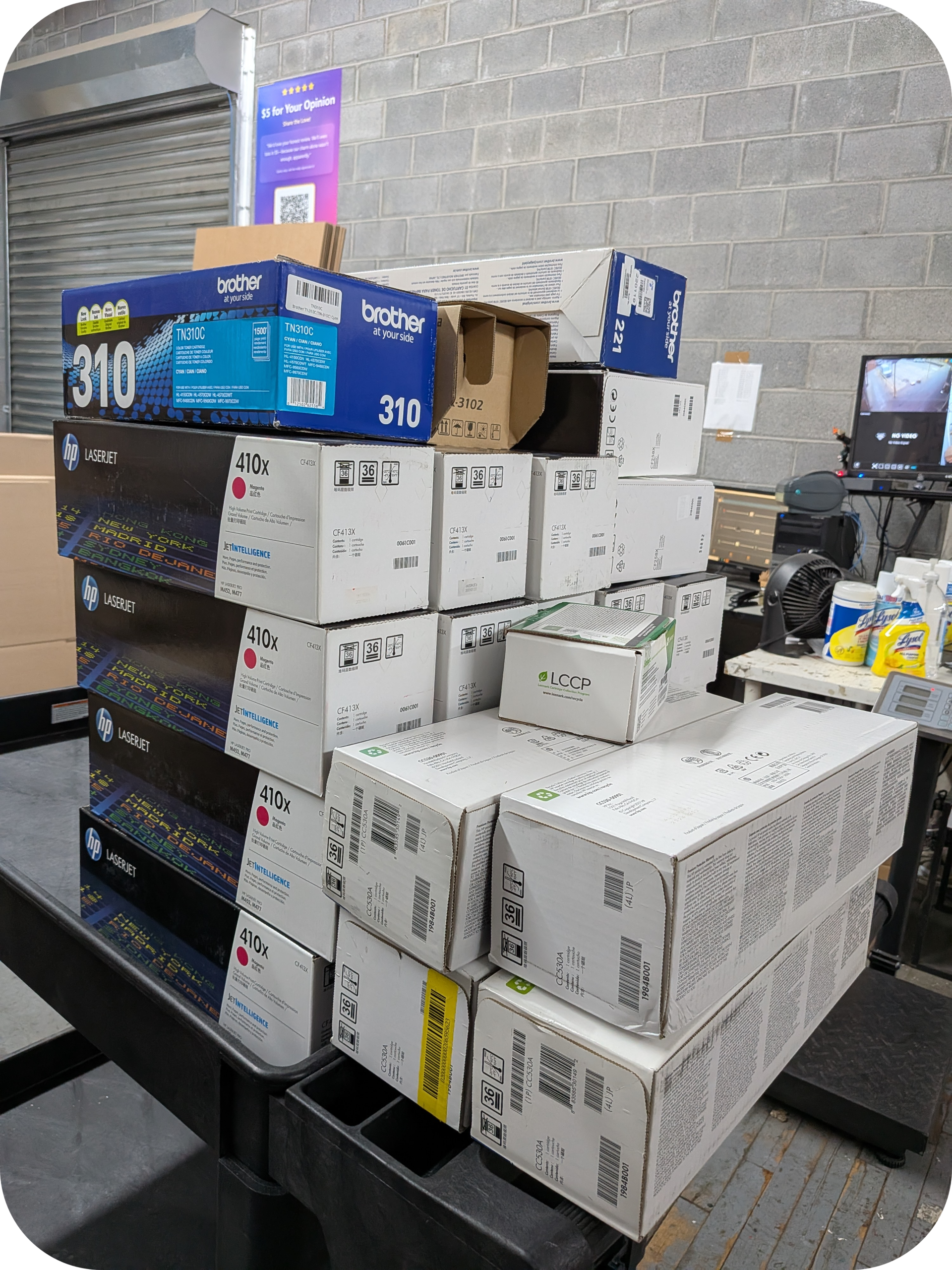
A Quick Comparison of Business Toner Suppliers
No single supplier is the best choice for every organization. The options below serve different purchasing situations rather than representing a universal ranking.
| Supplier | Best Suited For | Main Advantage |
|---|---|---|
| Manufacturer stores | Businesses committed to one printer brand | Direct access to genuine OEM toner |
| Staples Business | Companies consolidating workplace purchases | Business accounts and procurement controls |
| Office Depot Business | Offices seeking toner and general supplies | Broad workplace catalog and account support |
| CDW | IT departments managing technology purchasing | Toner purchasing alongside hardware and IT services |
| SHI | Enterprise and institutional procurement | Technology-focused product sourcing |
| Quill | Small and midsize businesses | Straightforward office-supply ordering |
Product selection, pricing, inventory, and account services can change. Businesses should request current terms and verify cartridge availability before selecting a vendor.
1. Manufacturer Stores
Manufacturer stores are often the most direct choice for businesses that require genuine OEM toner.
HP, Brother, Canon, Lexmark, Xerox, and other printer manufacturers sell supplies directly or direct customers to authorized resellers. Buying through the manufacturer can simplify product verification and compatibility matching.
The HP Store allows customers to search for toner using a printer name, model, or cartridge number. Brother also maintains an online catalog of genuine toner, including standard, high-yield, and multipack options.
Manufacturer-direct purchasing may work well when:
- Most printers come from one brand
- OEM toner is required by purchasing policy
- Authenticity is a high priority
- The business wants model-specific product guidance
- Order volume does not require a complex procurement contract
The main limitation is brand coverage. A company operating printers from several manufacturers may need multiple accounts or a separate multi-brand supplier.
2. Staples Business
Staples Business is a strong option for organizations that want to purchase toner with other workplace products.
Its business platform includes ink and toner, printers, paper, office supplies, technology, facilities products, and other recurring essentials. Staples Business also offers business-account features such as multiple users, multiple shipping addresses, and spending controls.
This type of supplier may be useful for:
- Small and midsize businesses
- Schools and universities
- Healthcare organizations
- Government offices
- Companies with several locations
- Procurement teams consolidating vendors
Consolidation can reduce the number of separate invoices and vendor accounts a purchasing team manages. However, buyers should still verify whether each toner listing is OEM, compatible, or remanufactured.
Business-account pricing and public website pricing may differ. Ask for a quotation based on the cartridges and quantities your organization purchases regularly.
3. Office Depot Business
Office Depot Business is another practical option for companies seeking toner and general workplace supplies from one source.
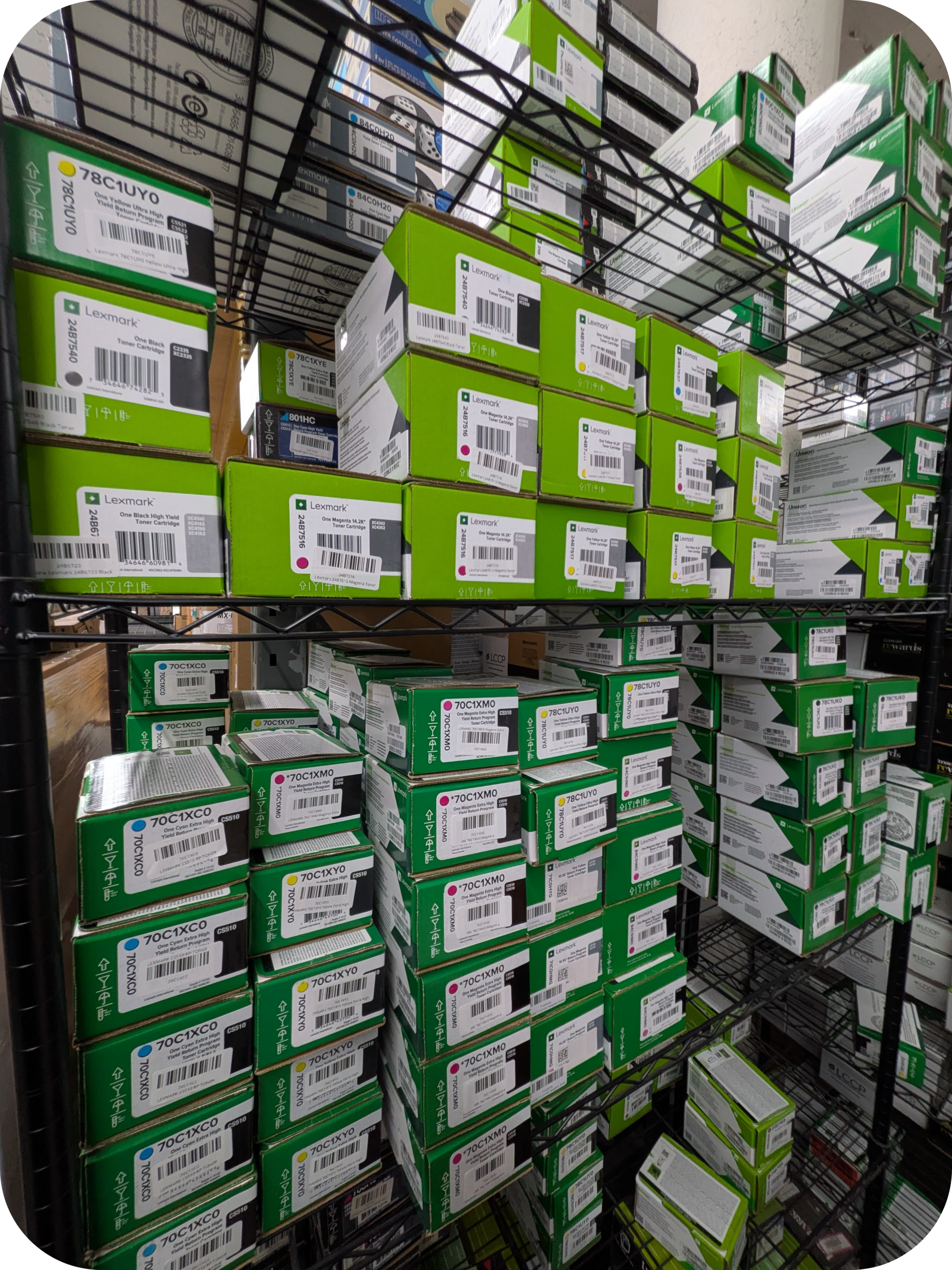
Its business catalog includes ink and toner alongside office supplies, technology, paper, furniture, cleaning products, and breakroom items. The company also promotes account support and purchasing services for organizational customers.
Office Depot Business may be appropriate for:
- Businesses that already purchase office supplies through the company
- Organizations seeking account-level support
- Schools, nonprofits, and public agencies
- Offices requiring multiple product categories
- Buyers interested in recurring supply orders
The catalog includes both original and remanufactured products, so purchasing teams should use product filters carefully. The invoice and quotation should state the manufacturer, part number, condition, and cartridge type.
A low-priced alternative should not be assumed to be OEM unless the product description explicitly identifies it as an original manufacturer cartridge.
4. CDW
CDW can be a useful toner supplier for organizations that already manage hardware and technology purchases through an IT procurement partner.
Its catalog includes original toner cartridges from major printer brands, with listings that identify manufacturer part numbers, page-yield information, print color, and compatible equipment. CDW also works with business, education, healthcare, and government customers.
CDW may be a good fit when:
- Toner purchasing is managed by the IT department
- The company already has a CDW account
- Printers and supplies are purchased together
- The organization requires formal quotations
- Technology purchases must follow an approved-vendor process
- Several printer brands are in use
The advantage is not simply access to toner. It is the ability to place printer supplies within a broader technology-purchasing workflow.
Businesses should compare account pricing against manufacturer-direct and office-supply vendors. A convenient procurement relationship does not always guarantee the lowest price for every cartridge.
5. SHI
SHI is worth considering for enterprise, education, government, and institutional technology procurement.
Its product catalog includes original toner cartridges from manufacturers such as HP and Brother. Listings identify the cartridge part number, color, yield category, and compatible printer models.
SHI may suit organizations that:
- Purchase toner through an IT sourcing team
- Need formal product documentation
- Operate an approved technology-vendor program
- Buy hardware, software, accessories, and printer supplies together
- Require account-based purchasing
- Manage equipment across multiple departments
Before choosing SHI or another technology reseller, confirm that frequently used toner models are stocked consistently. Ask how back orders, discontinued cartridges, and model substitutions are handled.
6. Quill
Quill can be a convenient option for small and midsize businesses purchasing toner with everyday office products.
Its online toner finder helps customers locate cartridges by printer, while its catalog includes OEM and alternative cartridge options. Businesses can compare product types, yields, multipacks, and brand choices within the same purchasing site.
Quill may be suitable for:
- Small offices
- Professional service firms
- Medical and dental practices
- Property management offices
- Businesses placing occasional toner orders
- Buyers who prefer straightforward online ordering
As with any multi-brand retailer, confirm whether the selected cartridge is original, compatible, or remanufactured. Similar product images and model references can make different cartridge categories appear interchangeable.
Are Manufacturer Stores Always the Best Choice?
Manufacturer stores are best for authenticity and brand-specific selection, but they are not automatically the best option for every business.
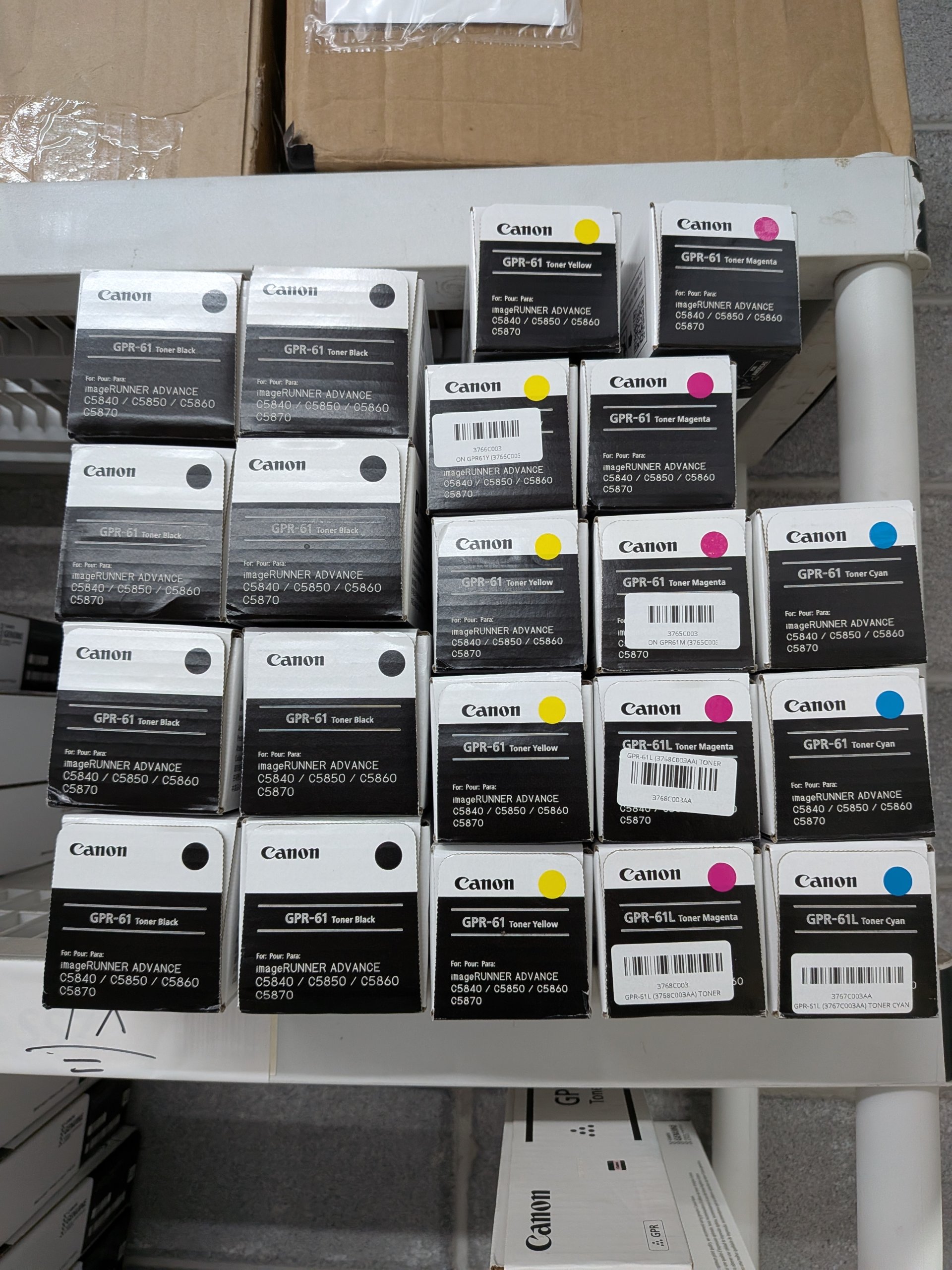
A company operating only HP printers may prefer purchasing directly from HP or an HP-authorized source. A company with HP, Brother, Canon, and Lexmark equipment may find a multi-brand business supplier easier to manage.
Consider manufacturer-direct purchasing when:
- OEM toner is mandatory
- The printer fleet uses one main brand
- Compatibility assistance is important
- Purchase volume is relatively simple
- The business wants a direct manufacturer receipt
Consider a multi-brand supplier when:
- Several printer brands are in use
- Orders must be consolidated
- Multiple employees need account access
- Supplies ship to several locations
- Purchasing approvals and spending limits are required
- Toner is ordered with other office or technology products
The better option is the one that fits the organization’s purchasing process while supplying the correct cartridges consistently.
What About Local Dealers and Managed Print Providers?
Local dealers and managed print providers can be excellent choices for businesses that need service, maintenance, and automatic replenishment with their toner.
A managed print arrangement may include:
- Toner monitoring
- Automatic cartridge shipments
- Printer maintenance
- Repair support
- Usage reporting
- Equipment replacement planning
- Consolidated billing
This model can be helpful for organizations with many printers or limited internal IT support. It may be less suitable for a small office that only needs occasional cartridges.
Before signing an agreement, review the contract length, minimum charges, included equipment, service-response times, automatic-ordering rules, unused inventory ownership, and cancellation terms.
Automatic replenishment should be monitored carefully. Toner can accumulate when printers are retired, offices close, or print volume falls.
How Should Businesses Compare Toner Suppliers?
Businesses should compare suppliers using a consistent list of cartridges and service requirements.
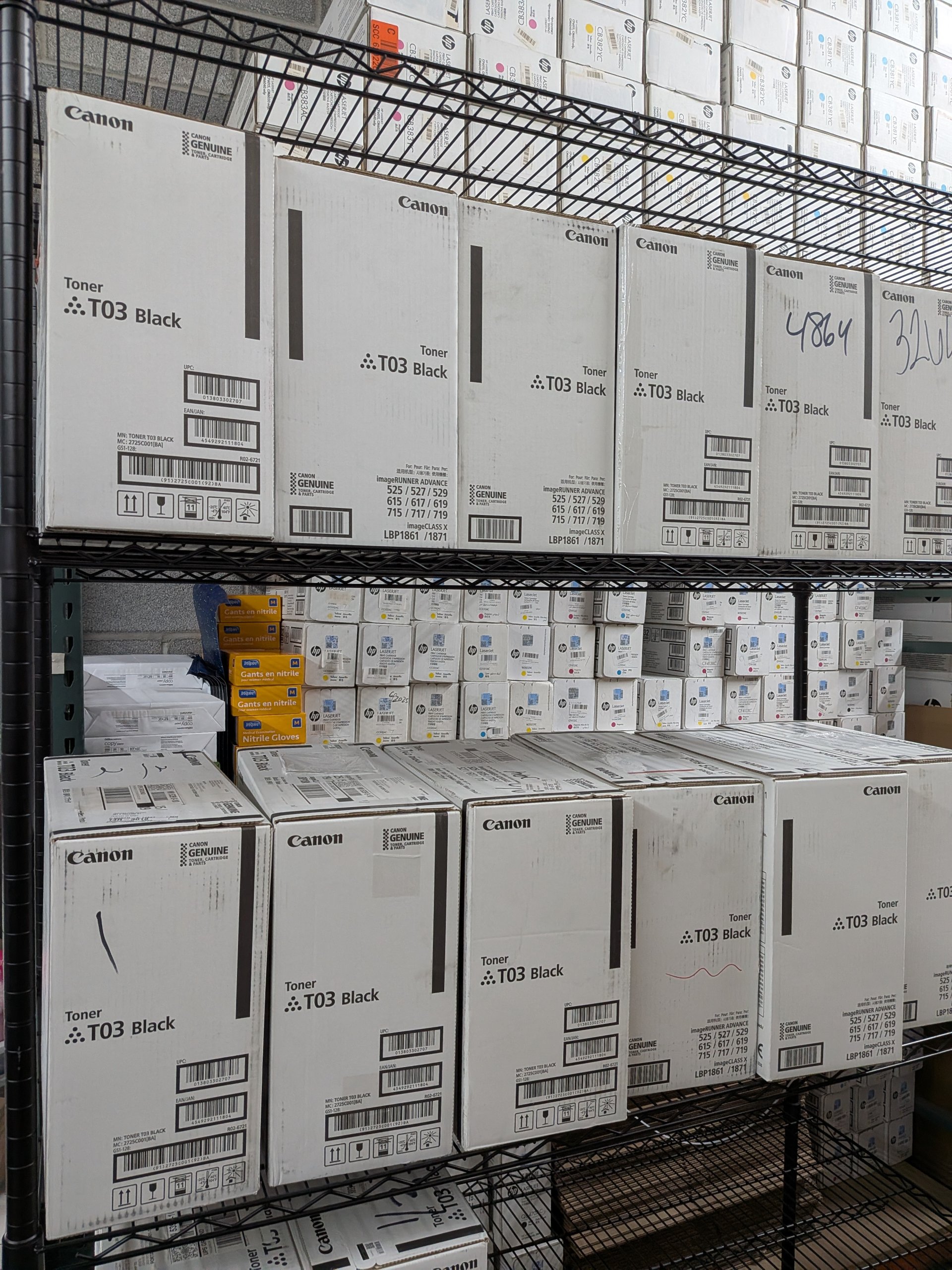
Create an inventory containing:
- Printer model
- Cartridge number
- Manufacturer part number
- Color
- Standard or high-yield requirement
- Monthly usage
- Quantity normally ordered
- Delivery location
Send the same list to each supplier and request an itemized quotation. Compare:
| Evaluation Area | What to Review |
|---|---|
| Product type | OEM, compatible, remanufactured, or refilled |
| Compatibility | Written confirmation for each printer model |
| Unit price | Price for the exact part number |
| Total cost | Shipping, taxes, fees, and minimum orders |
| Availability | Current inventory and back-order procedures |
| Delivery | Processing time, tracking, and shipping options |
| Returns | Return window, restocking fees, and opened-box rules |
| Support | Account contacts and problem-resolution process |
| Account tools | User permissions, budgets, reports, and locations |
Do not compare an OEM cartridge from one supplier with a remanufactured cartridge from another as though they are identical products.
Should You Place a Test Order First?
A test order is advisable before moving a large toner budget to an unfamiliar supplier.
Select a few cartridges that are easy to verify. When they arrive, check:
- Whether the invoice matches the quotation
- Whether all part numbers are correct
- Whether the cartridges are the stated product type
- Whether OEM packaging and seals are intact
- Whether the shipment arrived on time
- Whether the outer packaging protected the manufacturer boxes
- Whether support responds appropriately to questions
- Whether the cartridges install and operate as expected
A successful test order provides practical information about the supplier’s accuracy, packaging, delivery, and communication.
What Happens to Toner Left After a Supplier Change?
Unused toner should be returned when possible or evaluated for resale when it is no longer needed.
Businesses often discover extra cartridges when changing suppliers, replacing printers, consolidating locations, or ending a managed print contract. Keep the cartridges sealed and avoid placing labels directly on the manufacturer boxes.
We purchase qualifying OEM toner from major printer manufacturers when it remains factory sealed in its original packaging. Used, refilled, compatible, remanufactured, and open-box cartridges are not eligible.
Businesses can submit surplus toner for a quote using model numbers, an inventory spreadsheet, or clear photographs of the boxes.
Select the Supplier That Fits Your Operation
The best business toner supplier is the one that reliably provides the correct cartridges under terms that match your purchasing process.
Manufacturer stores are strong for direct OEM purchasing. Staples Business, Office Depot Business, and Quill can help consolidate workplace supplies. CDW and SHI may fit technology-centered procurement, while local dealers and managed print providers can combine supplies with equipment support.
Compare written quotations, verify product type, review return terms, and test the service before committing to a large or long-term order.