

The idea of a paperless future has been circulating for decades.
As technology continues to advance, many people believe this vision is not only possible, but inevitable. Some have even gone so far as to predict the death of the printer altogether.
But are they right, or are they missing something?
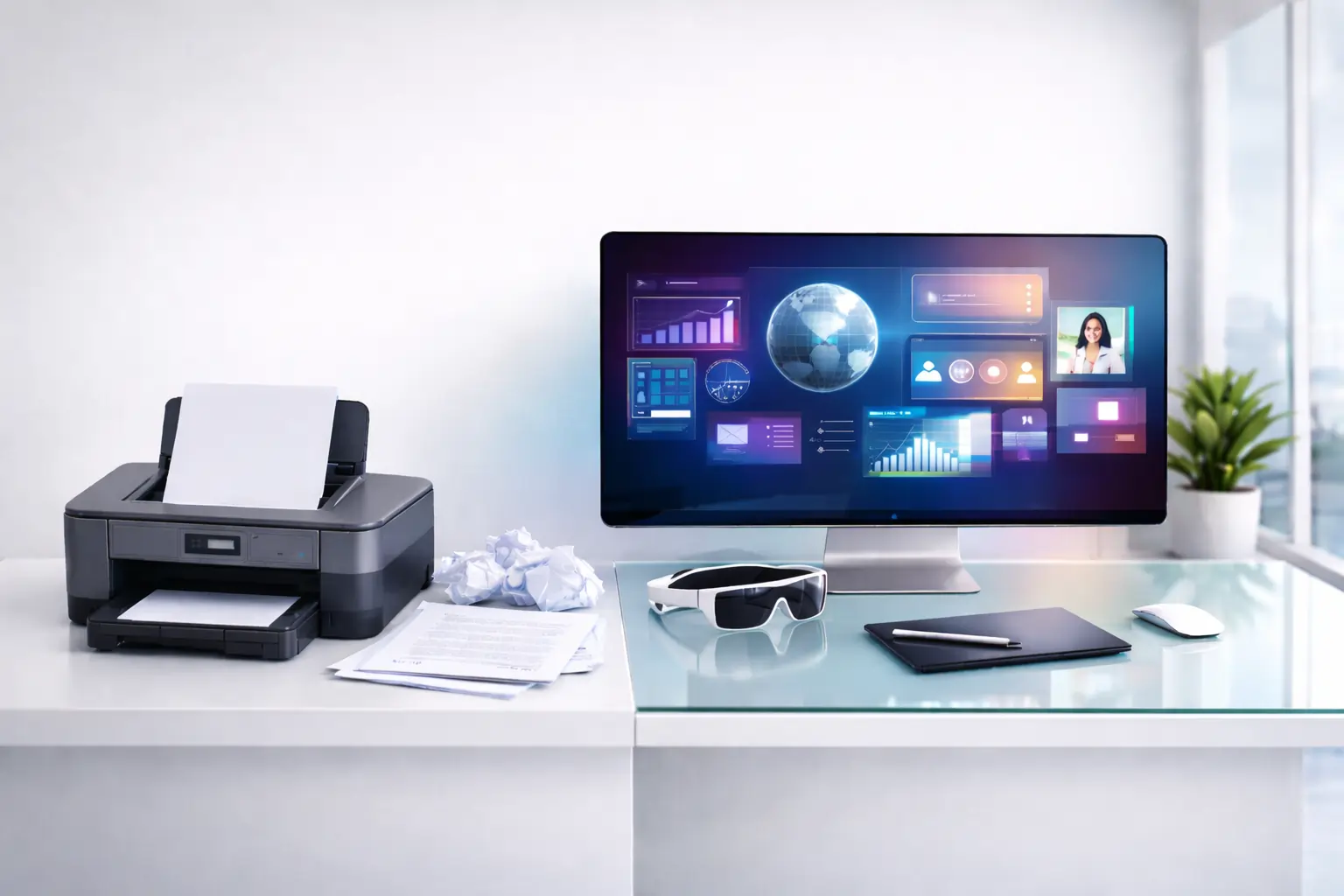
There’s no denying that the printing landscape has changed dramatically. Digital platforms have transformed publishing, communication, and information storage. Since printing and publishing have always gone hand in hand, the printing industry has naturally felt that shift.
Add to that the explosion of the information age, where data must be distributed faster, stored more securely, and accessed more efficiently than ever before, and it’s easy to see why some believe paper is on its way out.
However, despite all of this progress, one thing remains clear:
The Paperless Future Isn’t as Bulletproof as It Sounds
Digital Storage Comes With Real Risks
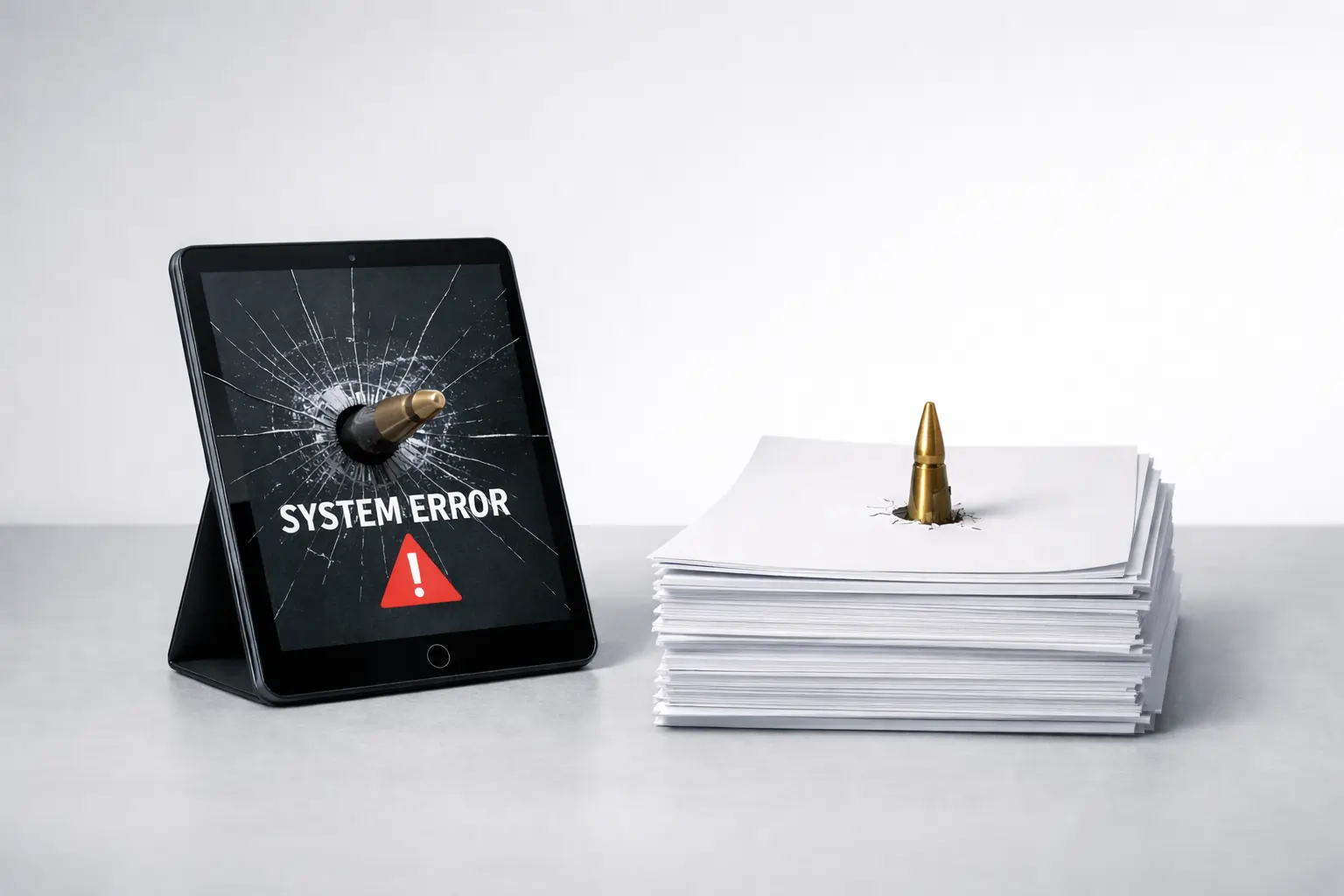
The digital world is often described as the most efficient way to store and distribute information. In many cases, that’s true. Technology has undeniably improved how organizations handle data.
But efficiency does not equal permanence.
Digital information is vulnerable to gradual decay over time. Software applications change. File formats evolve. Platforms become obsolete. What’s compatible today may be unreadable tomorrow.
That means data stored purely in digital form can still be lost, not through physical damage, but through incompatibility.
Cloud Storage Isn’t a Perfect Solution
Cloud storage is often presented as the answer to this problem. Many modern printers even integrate cloud capabilities, allowing users to store, access, and print documents remotely.
But cloud storage comes with its own trade-offs.
Security is a major concern. Cyberattacks and data breaches are increasingly common, and for organizations that handle sensitive or confidential information, the risk is significant.
There’s also cost to consider. Cloud storage isn’t free. Businesses pay per gigabyte, month after month, year after year. Over time, that expense adds up.
Printed documents, by contrast, have no subscription fee.
No Alternative Matches Paper’s Cost and Convenience
Paper Still Delivers an Unmatched Reading Experience
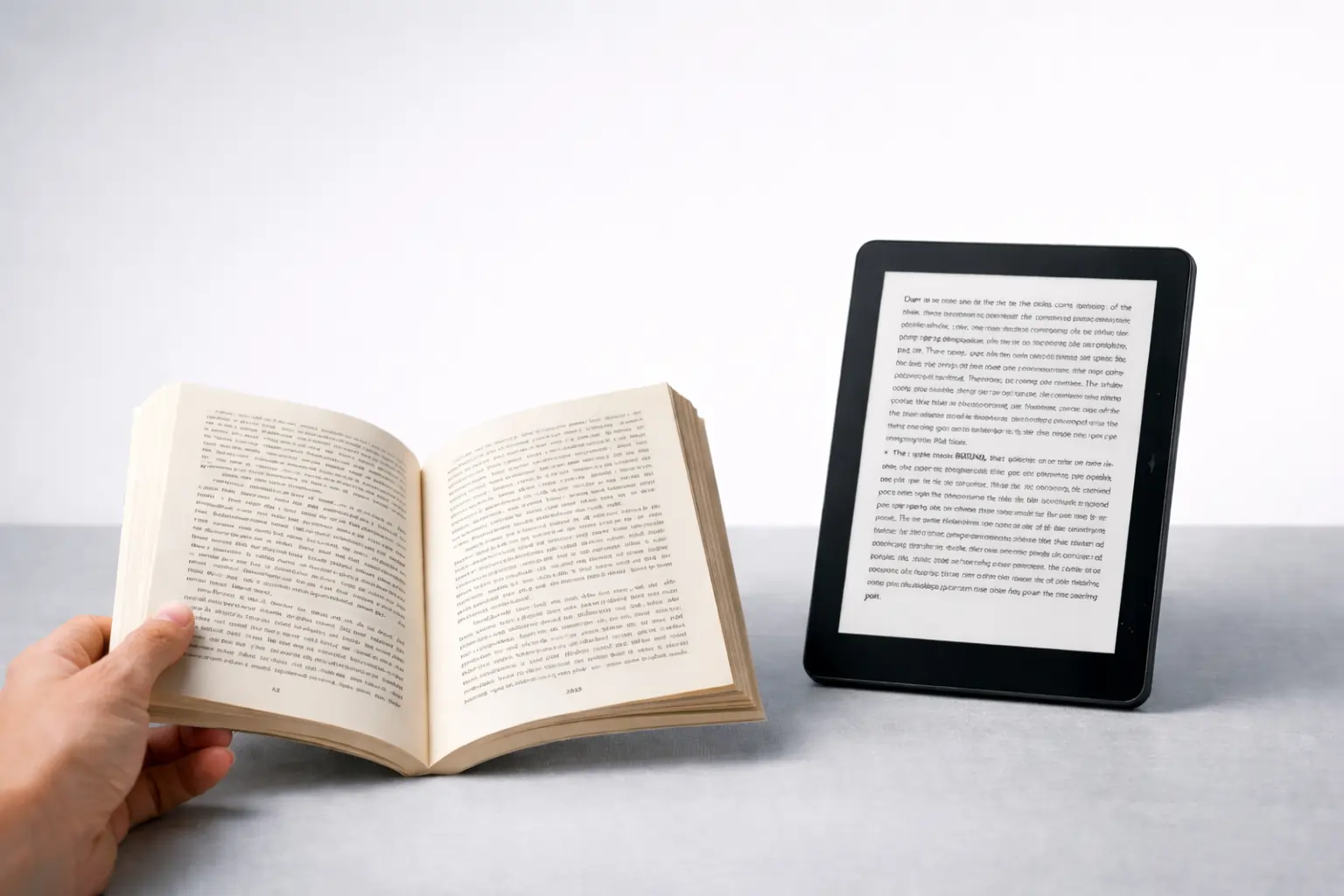
Let’s be honest: paper still offers a reading experience that screens struggle to replicate.
Black ink on white paper provides natural contrast that’s easy on the eyes. Long documents, contracts, manuals, and reports are often easier to review, annotate, and retain when printed.
Despite massive improvements in display technology, many people still prefer paper for focused reading, and that preference matters.
Paper Is Simple, Immediate, and Reliable
No digital solution fully matches the immediacy and flexibility of paper.
Paper doesn’t need power.
It doesn’t need updates.
It doesn’t crash.
It doesn’t become incompatible.
A printed page works today, tomorrow, and 20 years from now.
That simplicity makes paper incredibly cost-effective. Once it’s printed, it’s usable indefinitely. No subscriptions. No licensing. No hardware refresh cycles.
In some industries, particularly tech, the Paperless Future may be closer to reality. But across healthcare, education, legal, logistics, manufacturing, and government, paper still plays a critical role.
Printing Still Scales Efficiently
For offices, printing remains one of the most efficient ways to distribute information at scale.
A single office printer can easily handle 20,000 pages per month, delivering information quickly, affordably, and reliably. Replacing that output with tablets or devices, each costing hundreds of dollars, simply isn’t practical for most organizations.
Printers Will Evolve, Just Like They Always Have
Today’s Printers Are Nothing Like the Past
Printers have never stood still.
The bulky, single-purpose machines of the past have evolved into compact, multi-functional devices that integrate seamlessly into modern workflows.
Today’s printers are smarter, faster, and more adaptable than ever before.
How Printers Are Adapting to the Paperless Future
Modern printers already incorporate features designed to coexist with digital environments, including:
Cloud Integration
Printers can now connect directly to cloud platforms, allowing users to access and print documents from anywhere. This capability has the potential to reduce traditional printing infrastructure while still preserving the benefits of physical documents.
Multi-Functionality
Many printers combine printing, scanning, copying, and faxing into a single device. This consolidation saves space, reduces equipment costs, and simplifies office setups, especially where real estate is expensive.
Higher Duty Cycles and Faster Speeds
High-quality printers routinely produce 20–30 black-and-white pages per minute. For offices, this translates into tens of thousands of pages per month without sacrificing reliability.
Wireless and Network Connectivity
Wireless printing eliminates the need for cables and allows multiple users to connect effortlessly across networks, making printers easier to deploy and manage.
Cost-Saving Features
Duplex printing, page scaling, and toner-saving modes help reduce costs. Given that ink and toner can be expensive, these features are essential for organizations trying to control printing expenses.
As long as demand exists, manufacturers will continue refining these technologies.
The Reality of the Paperless Future
There’s no question that technology will continue to reduce our dependence on paper.
But reducing reliance is not the same as eliminating it entirely.
Paper remains essential because it is tangible, reliable, cost-effective, and universally accessible. No digital solution offers all of these advantages at once.
It’s also important to remember that the printer itself is a product of technology. It is not in competition with innovation, it evolves alongside it.
Final Thoughts: Evolve or Die
No one can predict exactly what the distant future holds for printing.
What we do know is this: paper is too valuable to disappear completely, and printers are too adaptable to become obsolete overnight.
The mantra of modern technology applies here as it always has:
Evolve or die.
Printing technology is far more likely to continue evolving, becoming smarter, more efficient, and more integrated, than to vanish entirely.
The Paperless Future may arrive one day.
The Paperless Future may arrive one day. But for at least the next 20 years, printers, supported by forward-thinking partners like Toner Connect, who continue to buy unused toner cartridges, will remain a vital part of how organizations share and safeguard information while also helping protect the environment.